
Views: 0 Author: Site Editor Publish Time: 2026-08-15 Origin: Site


Purchasing industrial equipment represents a critical capital expenditure for your manufacturing facility. Misalignment between machine specifications and factory realities often creates severe production bottlenecks. These technical errors generate excessive material waste and quickly diminish your operating margins. Modern production requires us to look far beyond basic RPM metrics when upgrading lines. You must thoroughly evaluate tension control mechanisms, material versatility, and long-term mechanical reliability. A system might look impressive on a specification sheet but fail under continuous factory floor conditions. We will guide you through matching machine architecture directly to your specific material inputs and output targets. You will learn how to evaluate core mechanical components and properly vet a Rope Making Machine manufacturer before signing contracts. We also explore factory footprint constraints, calibration phases, and operator training requirements to ensure seamless integration into your existing workflows.
Production Alignment: Match machine architecture (stranding, twisting, braiding) directly to your factory’s specific material inputs (PP, PE, Nylon, Sisal) and end-market requirements.
Performance vs. Claims: Evaluate theoretical spindle speeds against actual operational yield, factoring in maintenance downtime and scrap rates.
Supplier Diligence: A reliable rope making machine manufacturer is evaluated on after-sales support, spare parts availability, and transparent commissioning processes, not just upfront pricing.
Assess how effectively the equipment handles different raw materials. Natural fibers like sisal and cotton behave very differently from synthetic polymers. Synthetics include Polypropylene (PP), Polyethylene (PE), nylon, and polyester. Each material demands distinct tensioning mechanisms. Natural fibers often shed dust and exhibit inconsistent thickness. They require robust mechanical pathways resistant to jamming. Synthetic polymers require precise friction control to prevent melting or snapping under high-speed tension. You cannot assume a single standard machine will seamlessly alternate between these categories. Equipment must feature tailored take-up mechanisms designed specifically for your primary raw material. Attempting to force incompatible materials through standardized rollers significantly degrades final product quality.
Before contacting suppliers, you must define your target outputs in granular detail. Ambiguity during this phase leads to purchasing underpowered or unnecessarily complex machinery. Consider the specific parameters required by your target market.
Diameter Ranges: Specify the exact minimum and maximum diameters required. Production spanning from 3mm up to 60mm usually requires multiple dedicated machines rather than a single unit.
Strand Configurations: Determine if your market demands standard 3-strand or specialized 4-strand ropes. Changing strand configurations often requires physical mechanical changeovers.
Lay Types: Define the required lay stiffness. Soft, medium, and hard lays dictate the necessary twist per meter. Your equipment must offer adjustable pitch settings to accommodate these variations.
Spool Dimensions: Identify your final packaging needs. The machine's take-up capacity must match your required output spool sizes to minimize splicing and manual handling.
Calculate your required daily production tonnage accurately. Many factory managers make the mistake of relying solely on theoretical peak outputs provided by sales brochures. You must differentiate between a machine running a short test sprint and realistic continuous yields. Continuous 24/7 operation introduces inevitable inefficiencies. You must account for spool changeovers, yarn breakages, and routine maintenance pauses. A standard industry practice deducts at least 15% to 20% from theoretical maximums to project actual factory floor yields. Building this buffer ensures you meet client delivery schedules without pushing your equipment past its safe operational limits.
Analyze the fundamental mechanics driving the flyer bow designs and spool capacities. The flyer bow dictates how efficiently the machine twists individual yarns into formed strands. High-quality machines utilize aerodynamic bow designs to reduce air resistance. This specialized engineering minimizes energy consumption while maximizing rotational speeds. Look for systems integrating both stranding and rope-laying into a single continuous process. Integrated architectures significantly reduce your required floor space. They also eliminate the manual labor historically required to transfer intermediate bobbins between separate stranding and laying machines. This streamlined approach directly improves your overall factory efficiency.
If your factory produces specialized products for marine, safety, or climbing applications, you must evaluate advanced braiding technology. Braiding architectures differ entirely from traditional twisting setups. You need to assess the available carrier counts. Standard configurations include 8, 16, 24, and 32 carriers. Higher carrier counts produce smoother, more flexible ropes favored in technical applications. Pay close attention to the pitch control mechanisms within these braiders. Precise pitch control guarantees uniform load distribution across all braided strands. This uniformity remains critical for products requiring strict safety certifications, such as arborist lines or heavy-duty marine mooring ropes.
Modern manufacturing demands sophisticated automation. Prioritize machines equipped with advanced Programmable Logic Controllers (PLC). These digital interfaces replace outdated mechanical gear changes. A high-quality PLC offers precise, instantaneous twist adjustments via a touchscreen interface. This digital control drastically reduces changeover times between different product runs. Furthermore, mandate automatic stop motions for broken yarns. When a single input yarn snaps, the PLC must immediately halt the machine to prevent structural defects in the final rope. Advanced systems also track real-time production data, providing your management team with accurate shift reports and maintenance alerts.
Architecture Application Guide | |||
Machine Architecture | Ideal Material Inputs | Primary End-Market Applications | Key Technical Advantage |
|---|---|---|---|
Standard 3-Strand Twisting | PP, PE, Sisal | Agriculture, General Utility, Fishing | High throughput and mechanical simplicity |
Integrated Stranding/Laying | Nylon, Polyester, PP | Mooring, Commercial Shipping | Reduces labor and intermediate spool handling |
Multi-Carrier Braiding | High-Tenacity Nylon, UHMWPE | Climbing, Rescue, Arborist | Exceptional flexibility and core-protection |
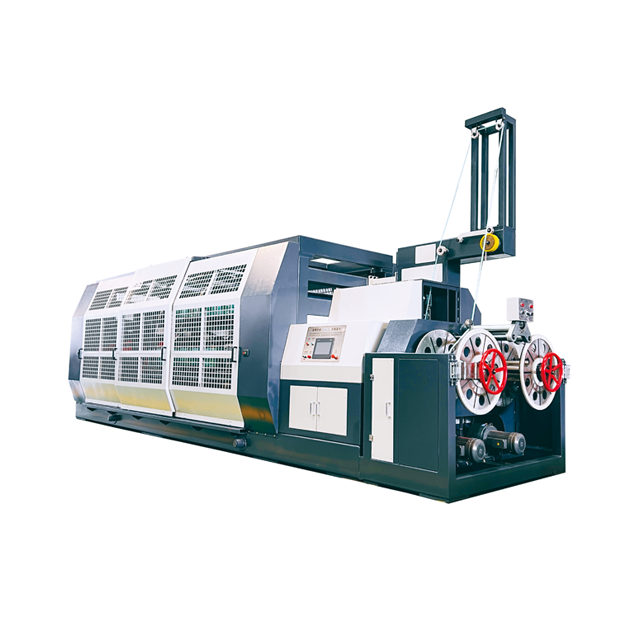
Scrutinize the core motor configurations powering the equipment. Outdated direct-drive systems consume excessive electricity and subject mechanical components to harsh startup shocks. Modern equipment should feature inverter-controlled drive systems. Inverters allow for smooth acceleration and deceleration, protecting sensitive internal gears. They also provide significant electricity savings over the equipment's lifespan. Demand specific data regarding electricity consumption per ton of finished product. Efficient drive systems directly improve your baseline profitability by lowering daily utility overhead. Ask the supplier to provide certified energy consumption reports based on real-world factory testing.
Inconsistent tension remains the primary cause of structural weaknesses in manufactured rope. If one strand pulls tighter than the others, the final product will coil unevenly and fail prematurely under load. You must rigorously evaluate the braking systems utilized on the input creels and internal bobbins. Older machines rely on manual mechanical friction brakes. These mechanical brakes wear down quickly and require constant operator adjustment. We recommend selecting equipment utilizing electronic or pneumatic tension control systems. These advanced systems automatically adjust braking force as the spool diameter decreases. Consistent automated tension ensures every meter of rope meets strict quality control standards.
Investigate the metallurgical quality of all high-friction components. Even the most advanced Rope Making Machine relies on consumable parts. Frequent replacement of these components destroys your Overall Equipment Effectiveness (OEE). When reviewing specifications, pay special attention to the materials used in the following critical areas:
Yarn Guide Rings: These must be constructed from polished industrial ceramics to prevent synthetic fibers from fraying at high speeds.
Flyer Bows: Ensure they utilize lightweight but high-tensile alloys or carbon fiber to withstand continuous centrifugal forces.
Forming Dies: These compression points should feature hardened steel or tungsten carbide inserts to resist grooving over time.
Take-up Rollers: Check for durable polyurethane coatings offering sufficient grip without damaging the finished rope surface.
Choosing machines built with premium wear parts drastically reduces unexpected downtime. It also frees your maintenance team to focus on preventative care rather than emergency repairs.
Never authorize final shipment without verifiable Factory Acceptance Testing protocols. The manufacturer must prove the equipment runs your specific raw material at the contracted speed. Do not accept tests run on the supplier’s generic demo yarn. Send your own factory's raw material to their facility. Require video evidence or arrange a live video feed of the machine operating continuously for several hours. This testing phase reveals vibration issues, software bugs, and tensioning flaws before the equipment leaves the origin country. Fixing these issues post-delivery causes massive operational delays.
Assess the supplier's framework for on-site installation. Delivering heavy machinery is only the first step. You need a detailed plan for physical assembly and digital commissioning. Evaluate the depth of technical documentation provided. Are the maintenance manuals written clearly in your operators' native language? Do they include detailed electrical schematics? A trustworthy supplier deploys experienced engineers to your facility. These engineers must oversee the installation and conduct rigorous operator training. Proper training ensures your floor workers understand how to adjust PLC settings, clear jams safely, and perform daily preventative maintenance.
A heavily discounted machine quickly becomes a major liability if proprietary parts take several weeks to ship. When vetting suppliers, demand a clear Service Level Agreement (SLA) covering replacement components. Inquire about their global inventory distribution. Ask where their closest spare parts depot is located relative to your factory. High-quality manufacturers maintain comprehensive stock for all consumable wear parts. They should guarantee shipment of critical components within 48 hours of your request. Reliable technical support via video call also helps diagnose mechanical issues quickly, reducing your reliance on expensive on-site technician visits.
Verify all safety certifications thoroughly. Industrial spinning equipment poses significant risks to floor operators if improperly guarded. Ensure the machine complies with CE, ISO, or OSHA standards depending on your regional requirements. Inspect the physical design for interlocking safety guards. If an operator opens a guard door, the machine must immediately trigger an emergency stop. Evaluate the emergency stop button placements; they must be easily accessible from multiple angles. Additionally, review the noise reduction features. Machines operating above acceptable decibel limits require expensive acoustic enclosures or mandate uncomfortable hearing protection for your staff.
Factor in the complete operational radius, not just the basic machine dimensions. Factory managers frequently underestimate the space required for peripheral activities. You must allocate sufficient clearance for raw material creel loading. Workers need safe access to load heavy bobbins onto the back-end racks. You also need designated space for forklift maneuverability during final take-up spool changes. Crowding equipment against walls restricts access for maintenance engineers. Map out your factory floor digitally. Ensure operators can move safely around high-speed moving parts without risking accidental contact. Proper layout planning maximizes workflow efficiency and minimizes workplace accidents.
Model expected material waste during the initial deployment phase. A new machine rarely runs perfectly on day one. You will experience a 30-to-60-day calibration window. During this period, operators learn the machine's specific quirks. They must fine-tune PLC parameters to match your factory's environmental humidity and temperature, which often affect synthetic yarns. You must forecast a temporarily elevated scrap rate. Prepare your management team for this learning curve. Rushing production during calibration usually results in substandard batches. Give your quality control team authority to reject early runs until the machine achieves stable, repeatable tension parameters.
Standard 30-Day Calibration Schedule | |||
Phase | Timeline | Primary Operational Focus | Expected Outcome |
|---|---|---|---|
Initial Setup | Days 1-7 | Mechanical alignment and PLC software configuration. | Safe dry-running without raw material. |
Test Runs | Days 8-14 | Running material at 50% speed. Tuning tension brakes. | Identification of basic defects and yarn breaks. |
Ramp Up | Days 15-21 | Increasing to 80% speed. Operator workflow training. | Reduction in scrap rate. Consistent product diameter. |
Full Production | Days 22-30 | Running at 100% target yield. Finalizing maintenance schedules. | Continuous stable output meeting quality standards. |
Review the preventative maintenance schedule provided by the engineering team. High-speed moving parts require diligent care. We strongly advise selecting equipment featuring automated lubrication systems. Manual greasing relies heavily on human memory and consistency. If an operator forgets a lubrication point, critical bearings will overheat and fail. Automated systems pump precise amounts of oil to necessary joints at scheduled intervals. While these systems require initial setup, they drastically reduce manual labor. They also eliminate the risk of catastrophic mechanical failures caused by simple negligence. Reviewing these overhead requirements ensures your maintenance team has the bandwidth to support the new equipment properly.
Selecting the optimal equipment requires balancing robust mechanical engineering against your factory’s precise production volumes and raw material inputs. You must scrutinize tension control systems, drive efficiency, and the quality of wear parts to ensure continuous, high-yield operation. Relying solely on brochure specifications often leads to integration failures and excessive waste.
We advise finalizing a comprehensive Technical Requirements Document (TRD) before you ever request a formal quote. This document should detail your exact fiber types, required lay stiffness, expected daily tonnage, and safety compliance needs. Presenting a TRD ensures suppliers quote appropriate machinery rather than pushing their standard overstock inventory.
Take proactive steps to safeguard your facility's operational efficiency. Schedule a technical consultation with your engineering team to map out layouts, calibration buffers, and capacity targets. Thorough preparation guarantees your next machinery investment actively drives your production capabilities forward.
A: You should expect a typical 3-to-6-month window from the initial order placement to the Factory Acceptance Testing (FAT). This timeline varies based on your requested custom configurations, specialized PLC programming, and the current manufacturing backlog of the supplier. Always build this lead time into your factory expansion schedules.
A: Mechanically, a machine can sometimes process both. However, natural and synthetic fibers demand vastly different tensioning and twist controls. Switching between them requires significant mechanical recalibration and downtime. Dedicated machines for specific fiber categories are highly recommended to maximize factory efficiency and product quality.
A: You calculate capacity using this logic: (RPM × Twist Pitch × Operating Minutes). Then, you must subtract (Efficiency Loss + Routine Downtime). This formula highlights the critical gap between theoretical brochure speeds and actual factory floor yield. Always factor in spool changes and maintenance stops.
A: Standard expectations include a 12-month warranty covering major mechanical parts and structural framing. Reputable suppliers often provide extended warranties on electronic PLC systems and inverter drives. Warranties universally exclude standard wear-and-tear components like ceramic guide rings, tension springs, and external forming dies.