







| Quantity: | |
|---|---|
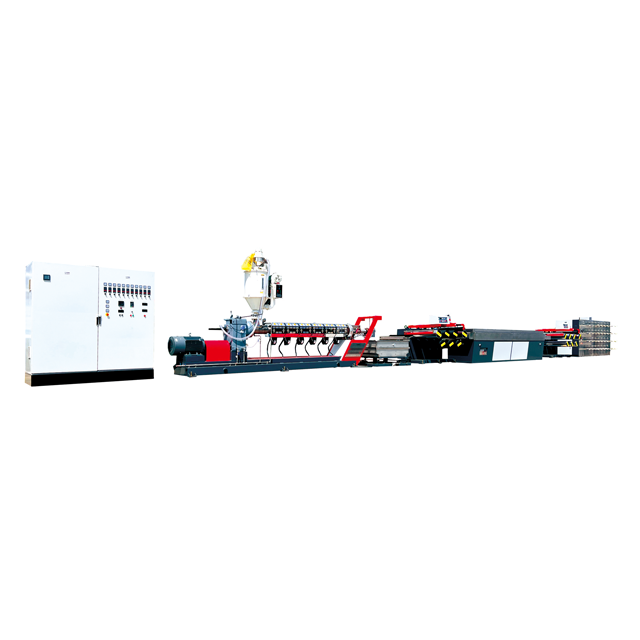
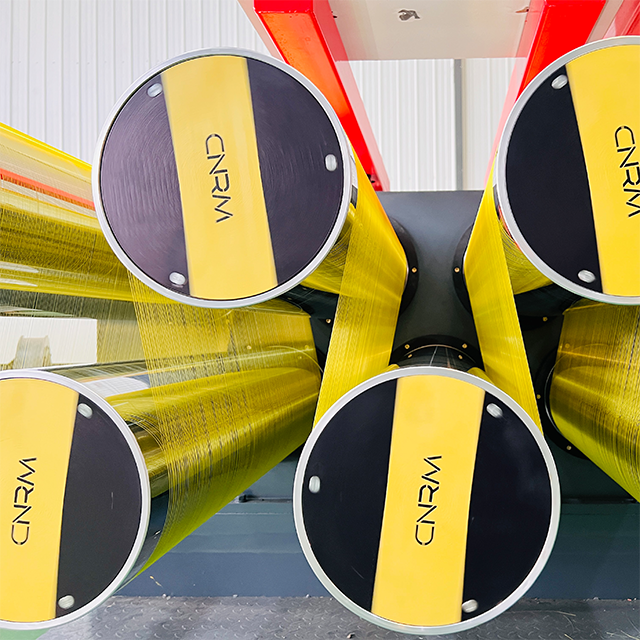
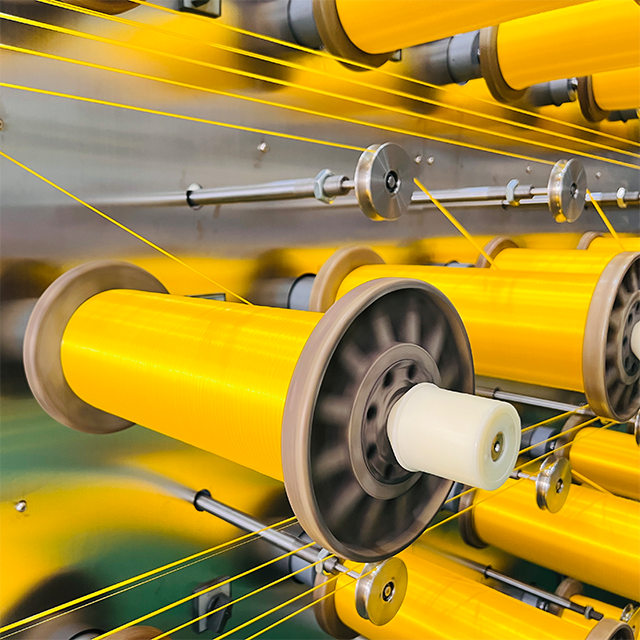
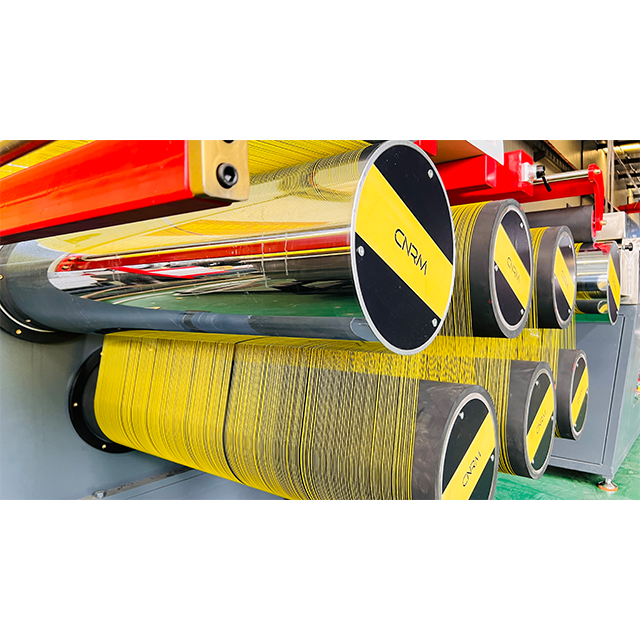
The PP/PE monofilament extrusion line represents the pinnacle of modern polymer processing, meticulously engineered to transform raw polyethylene and polypropylene into exceptionally strong, resilient yarns. When observing this machinery in action, the rhythmic, low-decibel hum of the heavy-duty drive systems conveys a sense of relentless industrial power. The sleek, robust metallic finish of the extrusion cabinets houses an intricate matrix of heating elements and precision-machined screws. This internal architecture ensures that the molten plastic flows with absolute uniformity, mitigating any risk of internal structural weaknesses in the final yarn. Every component, from the die head to the winding spools, is designed to maintain structural integrity under continuous, high-volume production cycles without succumbing to thermal fatigue.
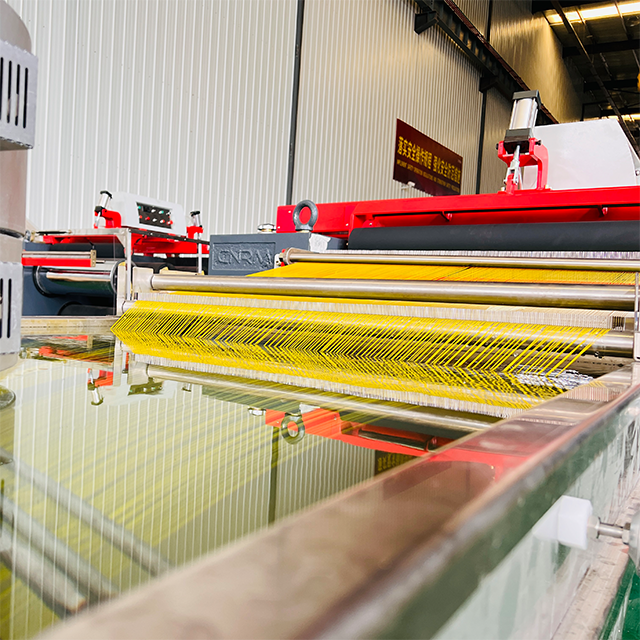
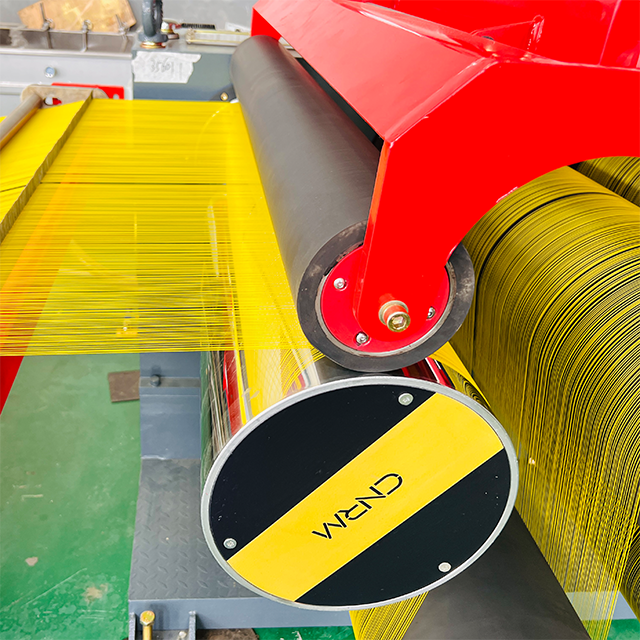
Operators will immediately notice the smooth tactile feedback of the control interfaces and the distinct absence of harsh mechanical vibrations, a testament to the rigorous balancing of the drive systems. The extruded filaments emerge from the cooling phase with a distinct, glossy sheen and a perfectly uniform diameter, ready to be woven into rugged fishing nets, secure safety barriers, or robust cables. By minimizing material degradation during the critical melting phase and maximizing molecular alignment during the stretching process, this extrusion system directly addresses the universal manufacturing challenge: producing high-tensile strength materials without sacrificing flexibility or inflating energy consumption. The result is a superior end-product that feels incredibly durable to the touch while maintaining the pliability required for complex weaving and knotting applications.
Specification Parameter | Technical Details |
|---|---|
Product Name | PP/PE Monofilament Extrusion Line |
Applicable Raw Materials | PP (Polypropylene), PE (Polyethylene) |
End Applications | Fishing net, rope, safety net, cable monofilament |
Temperature Control Range | 220°C - 240°C |
Stretching Ratio | 8-10 times |
Max Production Speed | 150 m/min |
Main Motor Brand | Siemens (Germany) |
Frequency Converter Brand | Inv, Watson |
Low-Voltage Electrical Brand | Chint |
Optional Auxiliary Equipment | HMI+PLC system, Metering pump, Automatic screen changer, Gravimetric dosing system |
Cooling Method | Water cooling |
Screw L/D Ratio | 33:1 |
Factory Space Requirement | 500-1000 square meters |
Labor Requirement | 2-3 workers for setup/commissioning; 1-2 workers for normal production |
Delivery Time | Approximately 90 days |
Payment Terms | 50% advance payment, balance paid before shipment (Accepts T/T, L/C at sight) |
Customization Services | Supported based on region, climate, and specific market demands |
Maintaining the exact melting point of polymers is critical for yarn integrity. This system utilizes advanced thermal regulation to prevent material degradation and ensure flawless extrusion.
Maintains an unyielding and highly precise temperature envelope between 220°C and 240°C.
Eliminates thermal cold spots within the barrel that typically cause filament breakage and material waste.
Ensures a smooth, glass-like finish on the final extruded yarn, enhancing both aesthetic appeal and physical durability.
Speed should never compromise structural strength. The mechanical architecture of this line balances rapid throughput with precise polymer chain alignment.
Achieves an impressive maximum production speed of 150 meters per minute without straining the mechanical components.
Delivers a stable extrusion stretching ratio of 8 to 10 times, perfectly aligning polymer molecules for maximum tensile strength.
Reduces overall energy consumption per kilogram of produced yarn through optimized drive mechanics and efficient heat retention.
As production demands evolve, the machinery adapts. The core system is built to seamlessly integrate with advanced peripheral technologies to elevate your operational capabilities.
Fully compatible with HMI and PLC systems for intuitive, touchscreen operational control and real-time data monitoring.
Supports gravimetric dosing systems for micro-precision raw material blending, eliminating manual measurement errors.
Readily accepts automatic screen changers to maintain continuous material flow without requiring manual intervention or line stoppages.
At the heart of the machine lies a world-renowned Siemens main motor, paired meticulously with premium Inv, Watson, and Chint electrical components. This robust configuration ensures the equipment operates flawlessly under high-stress, high-temperature (220°C-240°C) conditions.
Guarantees a constant 8-10 times stretching ratio without mechanical stuttering.
Significantly lowers the equipment failure rate, slashing long-term maintenance expenditures.
Provides a stable electrical foundation that protects sensitive components from power fluctuations.
Engineered for facilities that demand excellence, the overall stretching production speed reaches a staggering 150 meters per minute. The integration of high-end optional features transforms standard manufacturing into a highly automated process.
Optional metering pumps ensure exact fluid dynamics during the extrusion phase.
Automatic screen changers and gravimetric dosing systems meet the strict automation requirements for high-tensile strength yarns.
Dramatically elevates the yield rate of premium-grade filaments, minimizing raw material waste.
Clear spatial and operational planning is vital for modern manufacturing environments. This extrusion line requires a manageable 500-1000 square meters of floor space, allowing for optimal factory layout and safe operational clearances.
Requires only 2-3 personnel to coordinate smoothly during the initial setup and line activation.
Transitions to requiring merely 1-2 technicians during standard, continuous runs.
Effectively resolves the universal challenges of recruiting skilled labor and managing high human resource overhead.
Standardized machinery cannot always accommodate diverse global environments. Our dedicated R&D design and production team refuses to limit you to a one-size-fits-all approach, offering complete customization solutions.
Adapts seamlessly to specific regional climates, ambient humidity levels, and temperature extremes.
Customizes output parameters, die heads, and cooling mechanisms to match localized market demands.
Ensures the equipment operates at peak efficiency regardless of your facility's geographic location.
Designed explicitly for the creation of fishing nets, ropes, and safety nets, the process relies on precise temperature control and rigorous stretching techniques. The resulting monofilaments exhibit extraordinary flexibility and resistance to sheer force.
Produces PP/PE yarns that meet the most stringent industrial and maritime safety standards.
Ensures the filaments possess the tactile suppleness required for complex net weaving machinery.
Delivers exceptional knot-breaking strength, a critical metric for heavy-duty commercial applications.
Acquiring heavy machinery is a significant commitment, and we eliminate the anxieties associated with cross-border equipment procurement. Our support extends far beyond the delivery of the machinery.
Provides comprehensive operation manuals and detailed, high-definition video guides.
Dispatches seasoned overseas engineers directly to your facility for hands-on installation and test runs.
Conducts centralized training for your local workforce, focusing heavily on technical operations and essential factory safety precautions.
We do not merely assemble machines; we engineer comprehensive manufacturing solutions. Every extrusion line is subjected to rigorous stress tests before it ever leaves the facility, ensuring that the tactile operation feels solid and the acoustic signature remains smooth and consistent. Our dedication to quality control ensures your investment yields immediate and lasting returns.
Decades of specialized expertise in polymer extrusion dynamics and mechanical engineering.
Strict adherence to international electrical and mechanical safety protocols, ensuring a secure working environment.
Continuous research and development investments to keep your production floor ahead of the technological curve.
Navigating international equipment acquisition requires trust, clarity, and reliability. We structure our financial, logistical, and communication processes to provide absolute peace of mind from the initial consultation to final commissioning.
Clear, predictable manufacturing lead times averaging just 90 days from order confirmation to completion.
Flexible and secure payment structures, accepting a 50% advance with the balance due prior to shipment via standard T/T or L/C at sight.
Open lines of communication providing detailed, precise machine suggestions tailored to your specific operational goals.
1. How does the water cooling mechanism enhance the tensile strength of the extruded monofilament?
The rapid quenching provided by the integrated water cooling system instantly locks the polymer's molecular structure after it exits the high-temperature die head. This immediate temperature drop prevents crystallization anomalies, ensuring the yarn remains highly flexible while achieving the necessary 8-10 times stretching ratio without snapping under tension.
2. What specific facility preparations are necessary before the extrusion line arrives?
You will need a dedicated factory space of 500 to 1000 square meters, ensuring adequate clearance for the 150m/min winding operations and material handling. Additionally, the facility must be equipped to handle the electrical load of the Siemens main motor and the thermal heating elements (maintaining 220°C - 240°C), alongside a robust industrial water supply for the continuous cooling trough.
3. Can the gravimetric dosing system be retrofitted, or must it be ordered initially?
While the base model is fully functional and highly efficient, we strongly recommend integrating the gravimetric dosing system during the initial build to ensure seamless PLC synchronization. However, the modular architecture of our electrical cabinets—powered by premium Chint components—does allow for future retrofitting if your formulation precision requirements evolve over time.
4. How do the Inv and Watson frequency converters contribute to operational energy savings?
These premium frequency converters constantly analyze the mechanical load and adjust the electrical power draw in real-time. By preventing power spikes during the intensive melting and stretching phases, they maintain a buttery-smooth motor rotation. This not only extends the lifespan of the mechanical gears but also significantly reduces overall electricity consumption per production cycle.
5. What is the protocol if our local climate experiences extreme ambient temperatures or high humidity?
Our engineering team customizes the thermal insulation of the extrusion barrels and adjusts the cooling trough capacities based on your specific geographic and climatic data. During the 90-day manufacturing period, we calibrate the equipment so that the machine delivers consistent, high-quality yarn regardless of external weather fluctuations, ensuring uninterrupted year-round production.