
Views: 0 Author: Site Editor Publish Time: 2026-08-08 Origin: Site


Are you evaluating capital expenditure for a modern commercial rope manufacturing facility? Production managers, procurement directors, and investors constantly seek proven ways to optimize production output. The global market demands higher quality products and faster delivery times. Transitioning from outsourced rope purchasing to in-house manufacturing brings unique technical challenges. Alternatively, upgrading legacy equipment is often necessary to eliminate operational bottlenecks and improve overall product yield. Unplanned downtime and inefficient machinery can severely impact your bottom line. Navigating these complex transitions requires precise equipment selection and rigorous facility planning.
This guide provides a transparent, vendor-neutral breakdown of essential machinery and required workflow phases. We explore critical facility requirements and realistic cost drivers to support your complex procurement decisions. You will learn how to evaluate specific equipment nodes and avoid common implementation risks. Read on to build a resilient, high-capacity rope manufacturing operation.
A complete end-to-end rope production line for synthetic fibers requires five primary stages: extrusion, twisting, stranding/closing, winding, and packing.
Total capital expenditure (CapEx) varies significantly based on output capacity (kg/hr), automation levels, and material compatibility (e.g., Polypropylene vs. Nylon/Cotton).
Facility readiness—specifically power load capacity for extrusion and tension-control calibration—is the most common implementation bottleneck.
Evaluating a manufacturer should prioritize local spare parts availability and integrated PLC (Programmable Logic Controller) compatibility over base machinery cost.
Mapping the production workflow helps buyers identify required equipment nodes. It also reveals potential capability gaps in your current factory setup. Every rope production line follows a systematic progression. Understanding these steps ensures you allocate budget efficiently.
Phase 1: Yarn Production (Synthetics only). Operators melt plastic granules inside a specialized extruder. The machine pushes this molten plastic through a die head. This action stretches the plastic into continuous industrial yarns. Proper cooling water temperatures stabilize the yarn structure.
Phase 2: Yarn Twisting. Machines spin single yarns into plied yarns. This twisting process builds baseline tensile strength. Operators configure specific Twists Per Meter (TPM) based on final product requirements. Higher TPM yields stiffer ropes, while lower TPM creates softer ropes.
Phase 3: Stranding and Closing. Equipment twists the plied yarns into larger strands. Simultaneously, the machine lays those strands together. This synchronized action forms the final rope structure. Most operations use 3-strand or 4-strand configurations for standard industrial use.
Phase 4: Spooling and Coiling. Systems transfer the continuous finished rope onto workable spools. Some facilities prefer wrapping the rope into hanks. Automated traversing mechanisms ensure the rope lays evenly. Evenly wound spools prevent tangling during end-user deployment.
Phase 5: Packaging. Operators secure the final product for logistics and retail distribution. Common methods include shrink-wrapping, strapping, or coil-binding. Proper packaging protects the rope from moisture and UV degradation during transport.
You must select specific machinery tailored to your target output. We detail the core components required below. Each machine plays a critical role in maintaining structural integrity.
The Extrusion Machine serves as the foundation for any synthetic operation. It melts raw PP (Polypropylene), PE (Polyethylene), or PET (Polyester) resins. The machine forms these molten resins into monofilament, Danline, or split film yarn. Quality yarn directly dictates the strength of your final rope.
When evaluating extruders, look closely at the L/D (Length/Diameter) ratio of the screw. A higher L/D ratio ensures better resin melting and mixing. You should also assess cooling tank efficiency. Rapid, consistent cooling prevents yarn brittleness. Finally, verify the energy consumption per kilogram of output. Energy costs dominate operational expenses in this phase.
Best Practice: Source high-quality, uncontaminated resin pellets to prevent extruder die blockages.
Common Mistake: Ignoring regular filter screen changes leads to inconsistent yarn diameters.
A reliable Twisting Machine adds vital twists per meter (TPM) to the extruded yarn. This machine groups multiple thin filaments together. It binds them into a cohesive, strong plied yarn. Without proper twisting, the final rope will fray easily.
Evaluate ring twisters based on their maximum spindle speed (measured in RPM). Higher RPMs yield greater daily production volumes. Tension consistency is another critical factor. Uneven tension creates weak spots in the yarn. Always prioritize models featuring automated yarn-breakage sensors. These sensors stop the machine immediately if a filament snaps, preventing material waste.
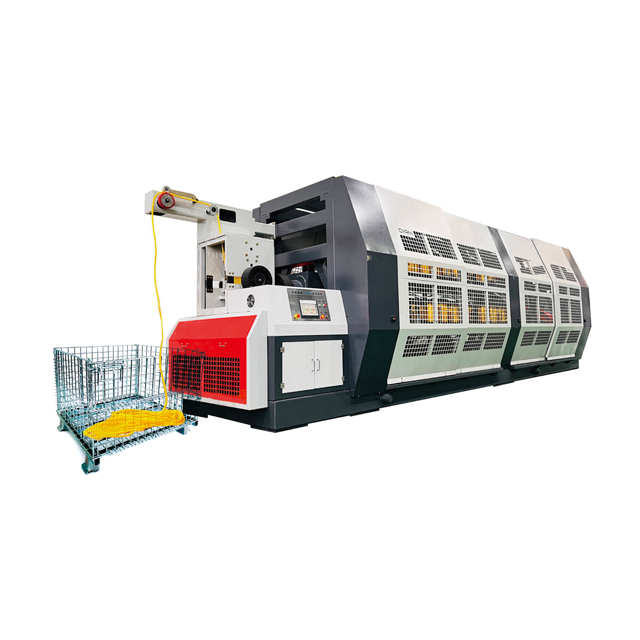
The Rope Making Machine acts as the core manufacturing unit. These are typically 3-strand or 4-strand rotary machines. Some facilities utilize complex braiding machines for marine or climbing ropes. This machine pulls the plied yarns, forms them into robust strands, and closes them into finished rope.
Buyers must verify pitch adjustment flexibility. Flexible pitch control allows you to alter the rope's stiffness easily. Pay attention to factory noise levels. Choose equipment with low decibel ratings to protect worker hearing. Additionally, look for strong vibration mitigation systems. Heavy vibration at high RPMs causes premature bearing failure.
Best Practice: Calibrate tension settings daily to ensure uniform rope lay patterns.
Common Mistake: Pushing a machine beyond its maximum recommended diameter strains the drive motor.
After manufacturing the rope, you need a robust Winding Machine. This unit neatly winds the finished rope onto spools, bobbins, or paper tubes. Clean winding prevents snags when the customer unrolls the product.
Traverse precision separates standard machines from premium models. Precision traversing layers the rope flawlessly side-by-side. You must also check the maximum spool weight capacity. Ensure it aligns with your customer shipping requirements. Automated length-counting meters are essential. They guarantee you deliver the exact yardage promised on the packaging.
The final stage relies on an efficient Packing Machine. This equipment handles shrink-wrapping, strapping, or coil-binding for dispatch. Attractive, secure packaging improves retail appeal and prevents transit damage.
Evaluate packing equipment by analyzing its cycle time. Fast cycle times prevent bottlenecks at the end of your line. Confirm packaging material compatibility. Some machines only accept proprietary wrapping films, which limits your procurement options. Finally, consider the machine footprint. End-of-line floor space is often restricted in older facilities.
Raw material selection fundamentally alters your required machinery investments. A line built for plastics cannot process plant fibers without major modifications. You must define your target market before finalizing equipment purchases.
Synthetic lines process Polypropylene (PP), Polyethylene (PE), Nylon, and Polyester. These setups require the full spectrum of equipment. They rely heavily on the extrusion phase. Synthetic operations draw significantly higher energy loads due to the melting process. They also require strict temperature control within the factory to maintain polymer stability.
Natural lines process Cotton, Sisal, Manila, and Jute. These lines completely bypass extrusion. Operations start directly at the twisting or preparation phase. This reduces initial equipment costs. However, natural fibers generate massive amounts of airborne particulates. You must install advanced dust-extraction systems. Humidity control is also mandatory to prevent fiber degradation and mold growth.
The following chart summarizes the operational differences between synthetic and natural fiber processing workflows.
Material Category | Common Fibers | Extrusion Stage | Energy Consumption | Key Facility Requirements |
|---|---|---|---|---|
Synthetic | PP, PE, Nylon, Polyester | Required | High (Heaters & Motors) | Dedicated power grids, water cooling systems. |
Natural | Cotton, Sisal, Manila, Jute | Bypassed | Moderate (Motors only) | Dust extraction systems, strict humidity control. |
Strategic financial planning requires transparent cost structures. You must understand both initial and ongoing financial commitments. Profitability depends on balancing automation costs against labor savings.
Capital Expenditure (CapEx) falls into distinct brackets based on your automation preferences:
Entry-Level / Semi-Automated Lines: These setups offer a lower initial purchase price. However, they require higher manual labor at handover points. Workers must physically transfer heavy bobbins between the twister and the strander. This increases the risk of workplace injuries.
Fully Integrated / High-Output Lines: These systems command high upfront costs. They integrate advanced PLC systems to monitor tension and speed across all machines simultaneously. Centralized control panels reduce required headcount. They also minimize human error during material transfers.
Operating Expenses (OpEx) will dictate your ongoing profitability. Power consumption is the largest variable cost. Extruders account for up to 60% of a synthetic line's total energy use. You must monitor local electricity rates closely. Consumables also impact monthly budgets. Budget for industrial lubricants, shrink-wrapping films, and replacement spare bobbins. High-speed moving parts wear out belts and bearings regularly.
When calculating ROI metrics, base your numbers on target output limits. Compare a realistic 2000 kg/day internal yield against your current outsourced purchasing costs. Factor in a standard 5-to-7 year depreciation schedule for heavy machinery. In-house manufacturing generally yields positive ROI within 36 months if you maintain consistent shift schedules.
Procuring heavy machinery involves inherent deployment risks. Successful rollout requires matching factory capabilities with vendor reliability. Do not purchase equipment based solely on brochure specifications.
You must address rigid facility realities before signing purchase orders:
Footprint Constraints: A continuous line requires expansive linear space. Extruders and cooling tanks stretch for several meters. Twisting and stranding zones cannot be compressed. Cramping machines restricts operator movement and creates severe safety hazards.
Power Load Capacity: Ensure your factory electrical grid handles sudden surges. The simultaneous startup of extruders and heavy-duty twisters draws massive amperage. Insufficient breaker boxes will trigger constant factory blackouts.
Adopt a strict vendor evaluation framework to safeguard your investment:
Acceptance Testing: Demand Factory Acceptance Testing (FAT) before final payment. Vendors must run the machines using your specific raw materials. Do not accept tests run with generic substitutes.
After-Sales Support: Assess the availability of replacement parts. Check if the machines use standard bearings, belts, and electrical components. Globally sourced brands like Siemens or Omron ensure you can buy replacements locally. Proprietary components trap you into expensive international shipping delays.
Technical Documentation: Ensure the supplier provides complete wiring diagrams. Operational manuals must be available in your local language. Request comprehensive maintenance schedules to train your internal mechanics properly.
Setting up a successful rope production line requires matching specific output goals with precise machinery configurations. You must carefully align your extrusion, twisting, and finishing equipment capacities. Balancing facility power limits and floor space constraints prevents costly deployment delays. Prioritizing robust PLC integration and reliable local spare parts ensures long-term operational stability.
Procurement teams should map out their target rope diameters immediately. Document your intended material types and daily tonnage requirements. Compile this specific data before submitting a Request for Quotation (RFQ) to any manufacturer. Clear operational parameters guarantee you receive accurate, comparable bids from reliable equipment vendors.
A: Lead times typically range from 60 to 120 days. This timeframe covers custom manufacturing, factory assembly, and final testing. Shipping transit adds another 30 to 45 days depending on global logistics. Highly customized PLC integrations may push manufacturing timelines closer to 150 days.
A: Yes. Operators use interchangeable dies and modify tension adjustments to change diameters. However, every machine has strict minimum and maximum structural limits. You cannot produce a 4mm twine and a 50mm mooring hawser on the same unit. Always verify the rated diameter range before purchasing.
A: No. If you source raw yarn externally, your operation becomes strictly a "twisting and forming" facility. This strategy eliminates the extrusion phase entirely. It significantly reduces your initial CapEx and facility power requirements. However, it increases your variable material costs and reduces your control over yarn quality.