
Views: 0 Author: Site Editor Publish Time: 2026-09-12 Origin: Site


Producing marine mooring lines requires manufacturing tolerances impossible for recreational rope machines to meet. Vessel safety, extreme loads, and harsh marine environments demand absolute structural integrity from every fiber. Manufacturers face a critical problem when selecting equipment today. Choosing the wrong machinery inevitably leads to inconsistent pitch, uneven tension, and failed compliance tests like OCIMF MEG4. These failures expose your factory to severe liability and costly material waste.
This article provides a transparent, technical framework for evaluating industrial equipment. You will learn exactly how to select a reliable hawser machine and related heavy-duty systems. We will explore structural challenges, core machinery standards, and material compatibility requirements. By understanding these precise engineering metrics, you can confidently upgrade your facility. This knowledge ensures your output meets the strictest maritime safety certifications while maximizing your long-term production efficiency.
A dedicated hawser machine is non-negotiable for manufacturing large-diameter (over 24mm) mooring and towing lines.
Precise back-twist and tension control are the most critical evaluation metrics for meeting maritime safety certifications.
Machine flexibility—specifically the ability to handle both standard synthetics (Nylon, Polypropylene) and HMPE (high-modulus polyethylene)—dictates long-term ROI.
Proof of compliance-ready output (ISO and OCIMF standards) should drive your shortlisting process, not just maximum RPM.
Commercial vessels rely on industrial-grade mooring rope. These lines endure extreme dynamic loads daily. Recreational ropes never face this immense level of stress. Commercial lines must deliver exceptional breaking strength and severe abrasion resistance. Towing rope applications amplify these exact demands. A tugboat line experiences massive shock loads during unpredictable offshore operations. Saltwater, ultraviolet radiation, and constant bollard friction constantly attack the fibers.
Manufacturing large-diameter lines creates immense structural challenges. Common maritime configurations include 3-strand, 8-strand, and 12-strand plaited ropes. Laying these thick strands requires specialized heavy-duty processes. Closing machines must apply immense, steady force to compact the fibers tightly. Small machinery simply cannot generate the necessary torque. If the layout process lacks sufficient pressure, the rope becomes overly soft. Soft ropes absorb water rapidly and lose their core structural integrity.
Inconsistency carries a massive financial price. Poor stranding tension causes uneven load distribution across the yarns. When tension fluctuates, some strands bear significantly more weight than others. This hidden defect leads to premature rope snapping under load. Consequently, marine inspectors reject entire production batches. Factory managers cannot afford these catastrophic quality drops. Rejected batches waste valuable synthetic materials and permanently damage vendor reputation.
A specialized closing unit acts as the heart of your operation. Engineers design this specific machine to lay up heavy, multi-strand marine ropes. It twists massive strands together under strictly controlled tension. These machines utilize heavy steel flyers and robust planetary gear systems. They pull individual strands from large bobbins, twist them at exact angles, and compress them into a unified cable.
Standard braiders differ greatly from this industrial equipment. Basic braiders weave small yarns for lightweight consumer tasks. They lack the structural frame required for thick maritime cables. Conversely, planetary or tubular hawser machines generate massive rotational torque. They manage thick, stiff synthetic materials effortlessly. Standard braiding equipment simply lacks the mechanical power to close a 100mm rope safely.
These closers integrate seamlessly into a broader maritime rope production line. The manufacturing process begins at the yarn extrusion phase. Next, twisting machines form the raw extruded yarns into durable strands. Finally, the heavy-duty closing machine twists those intermediate strands into the finished product. Each step must synchronize perfectly. If the twisting phase produces uneven strands, the final closing machine cannot fix the error.
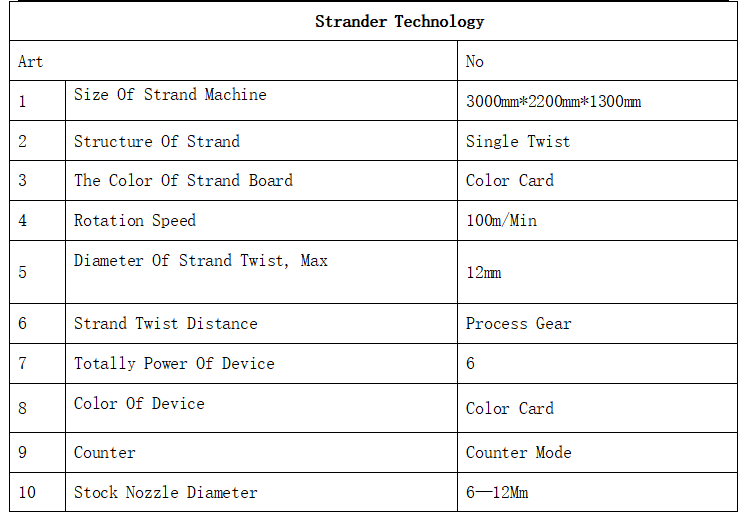
Evaluating a marine rope machine requires strict technical scrutiny. You must examine several mechanical subsystems to ensure long-term reliability.
Electronic pitch control dictates the structural integrity of a heavy-duty rope. You need highly precise lay lengths. Variable back-twist mechanisms prevent the strands from twisting unmanageably during the closing process. Without sufficient back-twist, individual strands deform internally. This severe deformation ruins the internal geometry of the entire rope. Modern machines use dedicated servo motors to adjust pitch dynamically. Operators can change the lay length instantly via digital panels.
Uniform strand tension remains an absolute necessity. You can choose between mechanical and electronic tensioning systems. Mechanical friction brakes offer basic control for older setups. However, magnetic brakes and hysteresis clutches provide vastly superior accuracy. Electronic clutches adjust braking force instantly. They eliminate the dangerous micro-fluctuations common in mechanical spring setups. Consistent tension guarantees every strand shares the vessel's load equally.
Massive output spools require immense handling capacity. Continuous, joint-free lengths define high-quality marine lines. The capstan pulling force must match the heavy rope diameter perfectly. Weak haul-off drives cause the rope to slip during production. Slippage ruins the engineered lay pitch immediately. You must evaluate the machine's ability to pull and spool thousands of meters of thick rope without stalling or overheating.
Human error routinely ruins expensive production batches. Recipe-driven PLC controls eliminate this operational guesswork. Operators simply select a programmed recipe from the touch screen. The system automatically sets the pitch, tension, and line speed. Automation ensures repeatable quality across completely different worker shifts.
Reduces operator learning curves during complex batch changes.
Stores hundreds of unique product recipes for quick recall.
Provides real-time diagnostic alerts to prevent mechanical failure.
Logs production data for quality assurance and compliance tracking.
Handling conventional fibers demands specific mechanical features. Polyester, Nylon, and Polypropylene behave very differently under stress. Nylon stretches significantly during layout. Polypropylene generates substantial heat through internal friction. A competent machine manages this material elongation effortlessly. It applies steady tension without melting the sensitive fibers. Cooling mechanisms and polished guides keep standard synthetics safe during high-speed runs.
Processing advanced fibers requires serious equipment upgrades. Ultra-high-molecular-weight polyethylene (HMPE/Dyneema) boasts extreme strength but melts at low temperatures. You must utilize ultra-smooth yarn paths throughout the frame. Specialized ceramic guides prevent friction damage effectively. Any rough steel surface will degrade these premium fibers instantly. Tension controls must be hyper-sensitive. HMPE exhibits almost zero stretch, making it unforgiving to tension spikes.
Raw material costs usually dominate your operating budget. Precise machine controls prevent expensive raw material waste. When a system consistently holds tension, you avoid rejecting long rope sections. Minimizing HMPE scrap drastically impacts your overall production ROI. Reliable equipment pays for itself simply by saving premium materials.
Material Processing Specifications
Material Type | Friction Sensitivity | Tension Requirement | Recommended Machine Upgrades |
|---|---|---|---|
Polypropylene | Medium | Standard | Basic cooling fans, steel guides |
Nylon | Low | High (Accommodates stretch) | Heavy-duty capstans, dynamic tensioners |
Polyester | Medium | Standard | Standard ceramic eyelets |
HMPE (Dyneema) | Extremely High | Ultra-Precise (Zero stretch) | Full ceramic path, hysteresis clutches |
The final maritime product must pass extreme third-party testing. OCIMF MEG4, ISO, and classification societies like DNV and ABS set strict industry benchmarks. The machine must guarantee linear density consistency across miles of rope. Break strength must remain absolute and predictable. A specialized closing machine directly determines if you pass or fail these rigorous audits. If your equipment cannot produce uniform lay lengths, you will fail MEG4 certification.
Installing industrial machinery involves significant physical and logistical risks. You must evaluate the required factory footprint carefully. Heavy closers demand heavily reinforced concrete foundations to absorb violent vibrations. Power consumption spikes significantly during heavy motor startup. Operator training also requires dedicated time. Navigating this initial learning curve takes patience and strong vendor support.
How do you pick the right equipment supplier? You should use a highly structured approach. Follow this specific framework for your vendor shortlisting process:
Demand verifiable case studies showing the machine's output passing official OCIMF testing.
Inspect aftermarket support and spare parts availability in your specific geographic region.
Evaluate spindle RPM stability under maximum operational load, rather than just reading "theoretical maximum speed" brochures.
Request live material tests using your own fiber samples before signing any procurement contracts.
Investing in a high-quality hawser machine acts as a vital risk-mitigation strategy. It upgrades your manufacturing capacity securely. Reliable equipment guarantees the tension control and pitch consistency necessary for modern maritime applications. You cannot fake compliance in the marine industry. Your machinery must deliver flawless structural integrity every single shift.
We advise buyers to audit their current product failure rates immediately. Consult machinery engineers to discuss your specific material challenges. Always run sample material tests on proposed equipment before finalizing procurement. Real-world testing reveals hidden machine flaws.
Reach out for a technical consultation today. Request a detailed machine specification sheet tailored to your specific mooring line production goals. Upgrading your production floor protects your business and ensures vessel safety worldwide.
A: Most heavy-duty machines handle diameters ranging from 24mm up to 160mm or more. The exact maximum depends heavily on the specific machine model, the frame size, and the designated strand configuration.
A: Generally, no. A 3-strand or 4-strand closing machine utilizes a completely different mechanical layout than an 8-strand or 12-strand plaited machine. You typically need dedicated equipment for plaited structures.
A: Uneven tension causes unequal load sharing among the strands. When tension varies, tighter strands take all the dynamic force and snap early. This structural imbalance significantly lowers the overall breaking strength.
A: Regular maintenance includes constant lubrication of planetary gears and large bearings. You must check flyer arms for micro-fractures. Additionally, technicians should calibrate electronic tensioners frequently to ensure accurate hysteresis clutch performance.